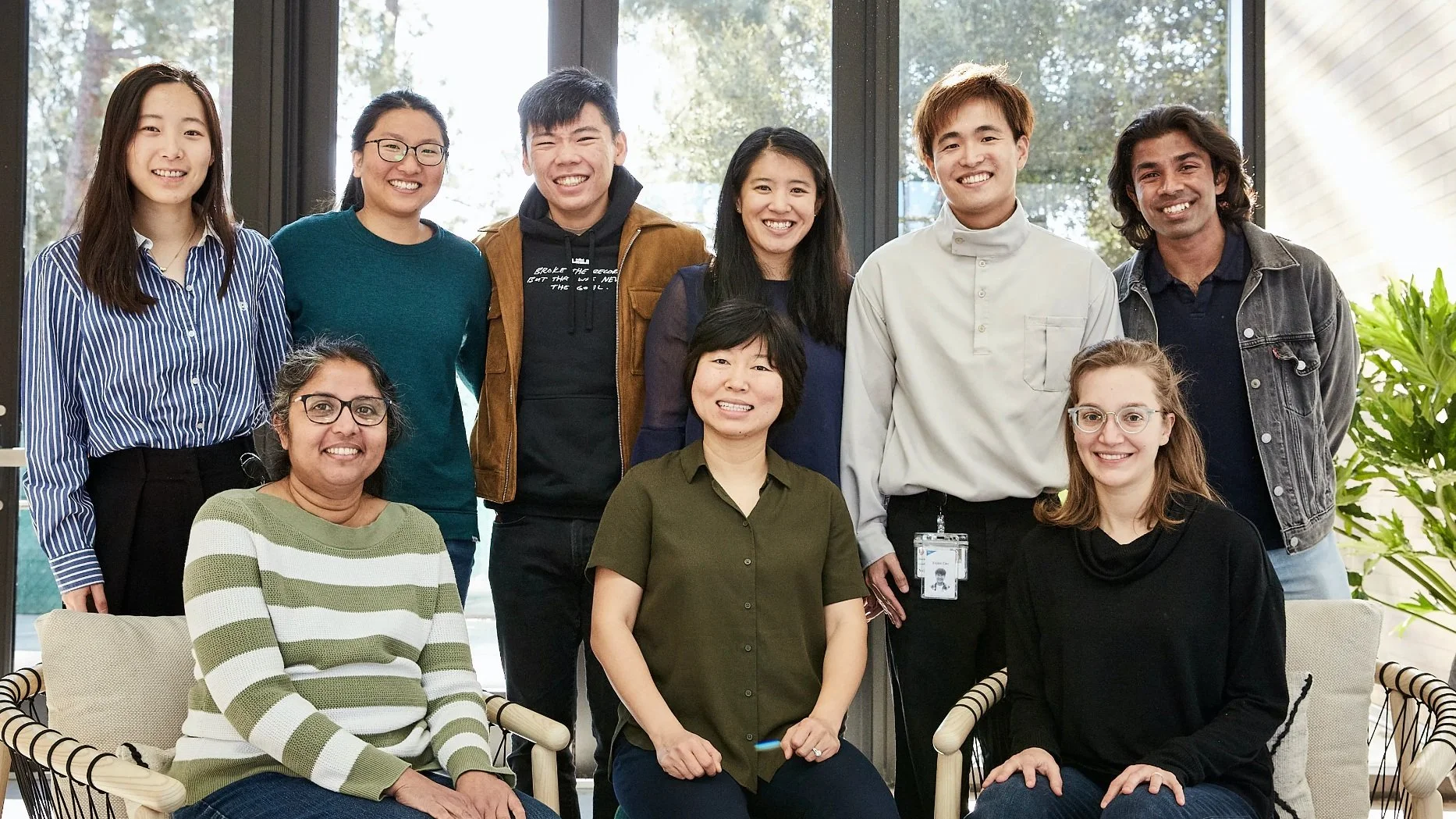
Li lab

Welcome to the Li lab

We combine chemistry, biochemistry, immunology, and physiology to uncover basic mechanisms in innate immunity and, in parallel, develop therapeutic hypotheses and lead molecules.

Innate immune pathways are a rich source of novel chemistry: they involve diverse molecular patterns in pathogens, little-explored second messengers, and drugs with poorly understood mechanism. Activation of innate immunity is a proven therapeutic strategy for vaccination, viral infection, and cancer, while inhibition is a strategy for treating autoimmune diseases and neurodegeneration. To date, however, most modulators of innate immunity are broad, non-specific, and poorly characterized. We seek to improve understanding of these pathways and facilitate the development of more precise drugs for preventing or treating specific diseases.

We are affiliated with Stanford Biochemistry, Sarafan ChEM-H and Arc Institute.

 
Screen Shot 2023-09-21 at 12.18.10 PM.png

LAB NEWS


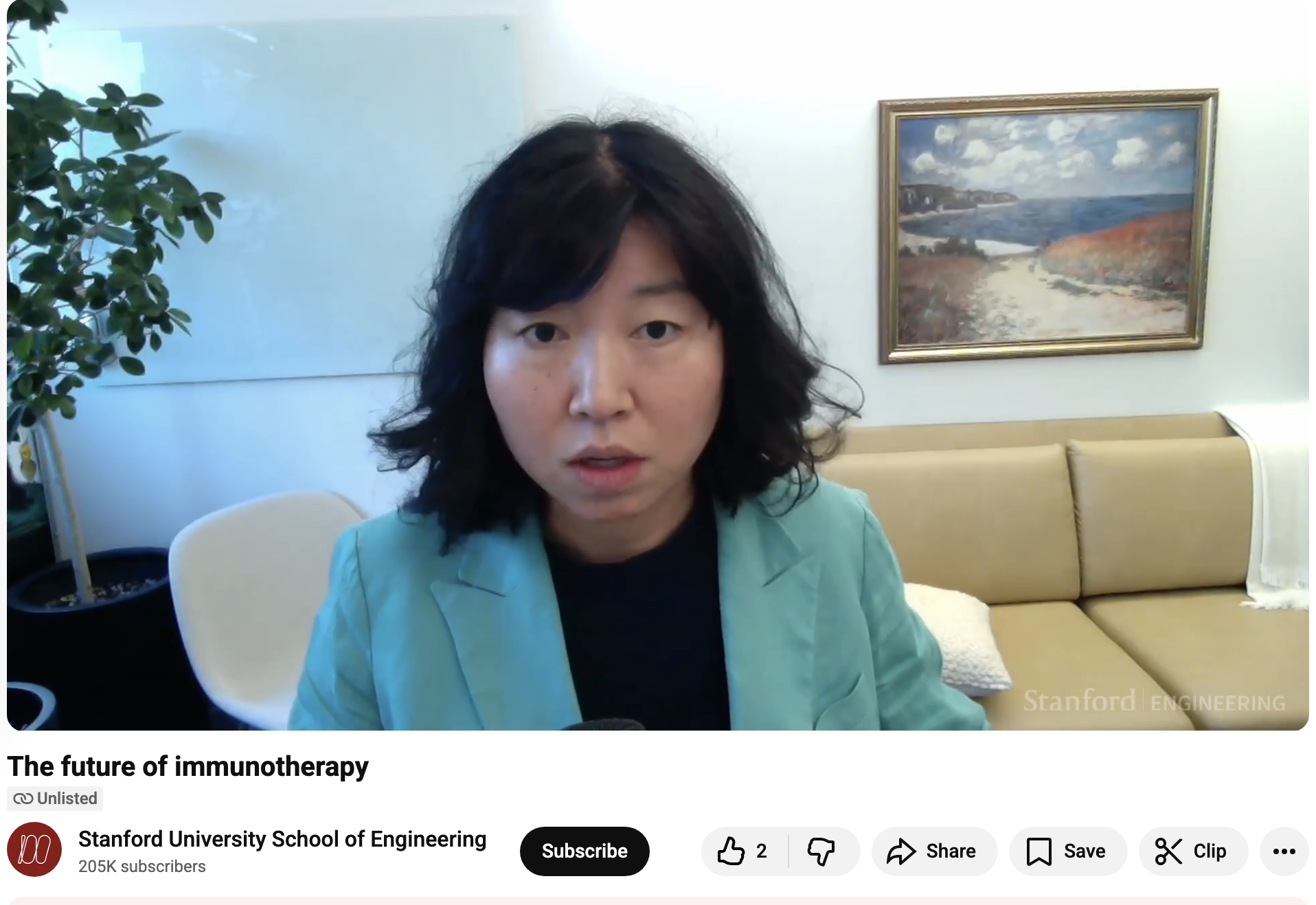
Watch Lingyin on The Future of Everything

10/20/2025
Lingyin describes the lab’s work in innate immunity in the latest instalment of The Future of Everything
Great place to learn more about our lab’s efforts in the field of cancer immunotherapy!
Watch the podcast here


Welcome to our newest lab members Rina, Francesca and Valerie!

09/20/2025
A huge welcome to the newest members of the Li lab:
Rina Wang, a graduate student from the Department of Chemistry. Francesca Day, rotation student from Department of Biochemistry, and Valerie Huang, an undergrad from Bioengineering!

Congratulations to Songnan and collaborators from Angarus on their paper on ENPP1 immune checkpoint blockade

09/16/2025
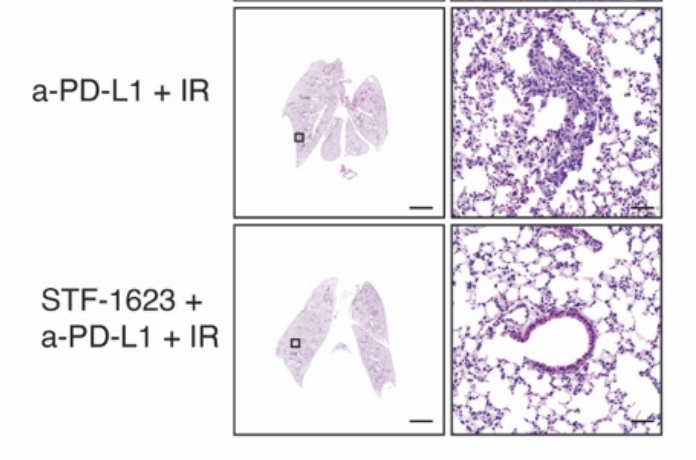
How can we do better with cancer immunotherapy? By leveraging both adaptive and innate immunity: in our latest preprint, we and industrial partners provide the most comprehensive characterization to date of STF-1623, an inhibitor of the innate immune checkpoint ENPP1

Read the paper here and press coverage here

Congratulations to Rebecca and Xujun for their paper in Nature Chemical Biology

07/03/2025
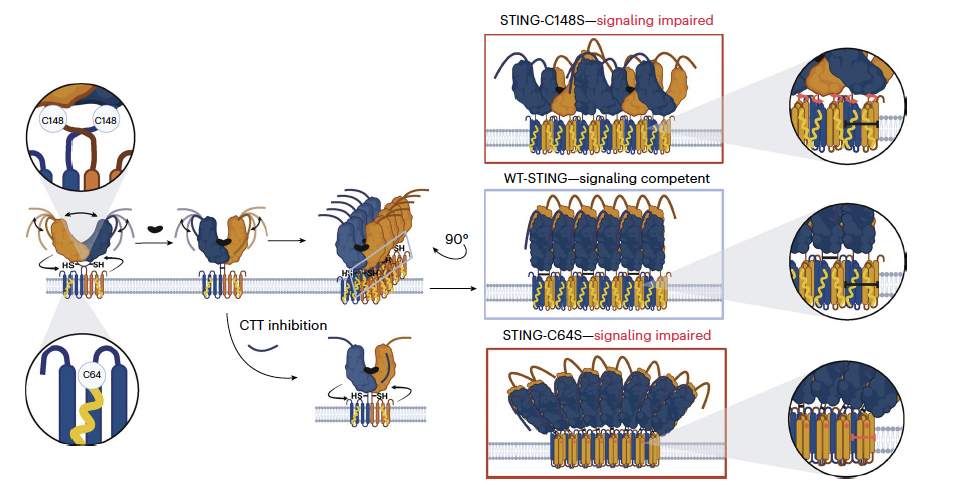
First authors Rebecca Chan and Xujun Cao describe new work that delineate detailed molecular processes of the STING activation sequence, identifying new post-translational modifications and the most therapeutically viable steps.

Read the paper here
Coverage in the press here and here.


JOIN US!

We would love to hear from trainees from any scientific discipline and background. Through our multidisciplinary research program, lab members will be trained in synthetic chemistry, biochemistry, molecular biology, innate immunology, and drug development.

 
Screen+Shot+2023-12-22+at+4.57.14+PM.jpg