Li lab

Welcome to the Li lab

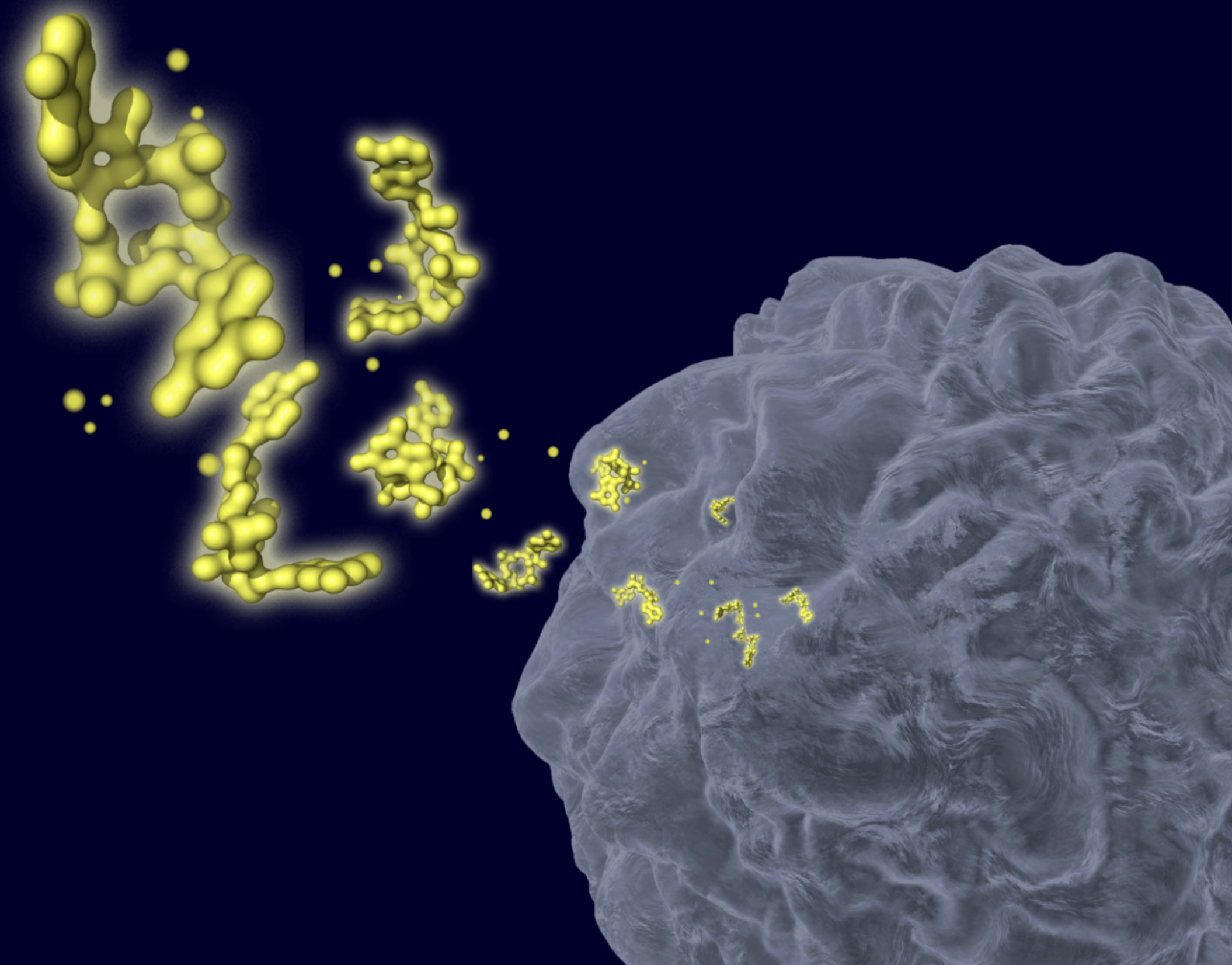
We combine chemistry, biochemistry, immunology, and physiology to uncover basic mechanisms in innate immunity and, in parallel, develop therapeutic hypotheses and lead molecules.

Innate immune pathways are a rich source of novel chemistry: they involve diverse molecular patterns in pathogens, little-explored second messengers, and drugs with poorly understood mechanism. Activation of innate immunity is a proven therapeutic strategy for vaccination, viral infection, and cancer, while inhibition is a strategy for treating autoimmune diseases and neurodegeneration. To date, however, most modulators of innate immunity are broad, non-specific, and poorly characterized. We seek to improve understanding of these pathways and facilitate the development of more precise drugs for preventing or treating specific diseases.

We are affiliated with Stanford Biochemistry, Sarafan ChEM-H and Arc Institute.

 
Screen Shot 2023-09-21 at 12.18.10 PM.png

LAB NEWS


Welcome to Amelia, Diane and Maggie!

7/1/2026
We welcome three more students to our lab for the summer: Amelia Talluri, Stanford PhD student from Chemical and Systems Biology, Maggie Kuo-Reed, undergrad from UCSD, and Diane Tang from Oxford!


Congrats Valentino for the publication of his PhD work!

06/26/2026
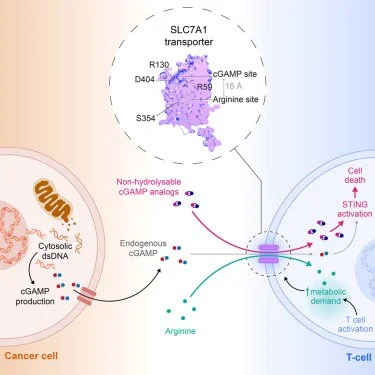
Valentino built on his preprint to show that arginine alone, which competes with SLC7A1 for cGAMP uptake, can protect T cells from STING agonist-induced cell death. This work is now published in Cell Reports. Congratulations to Valentino and all authors!

Read the preprint here.


Welcome summer student Seohyun!

5/11/2026
Seohyun (Sue) Kang,
an undergrad at Purdue, will join us for the summer uncovering the basic biology of STING and ENPP1 protein activity. Welcome!

New preprint on ENPP1’s effects on insulin resistance

04/14/2026
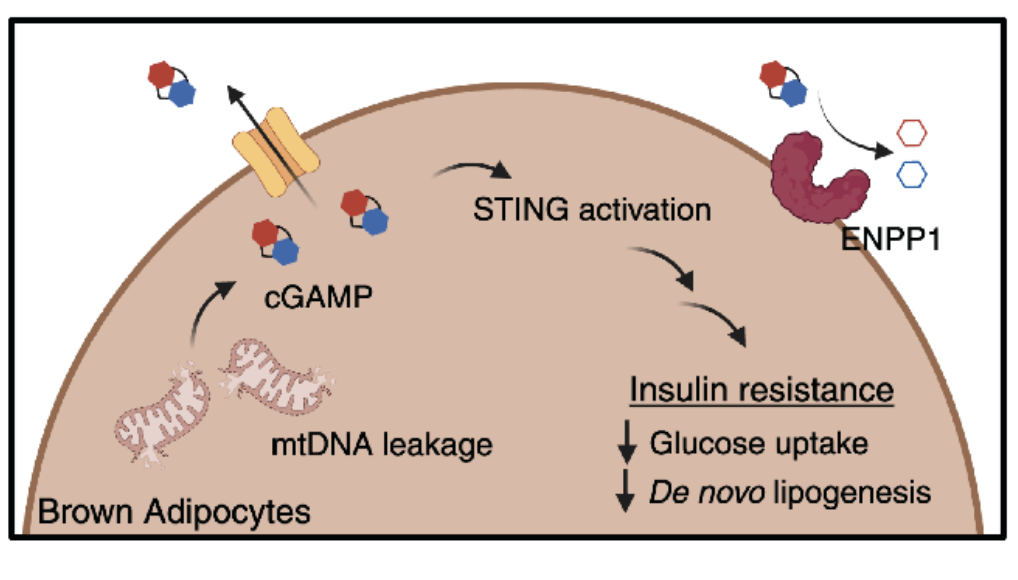
In collaboration with Arc’s Innovation Investigator Katrin Svensson, we studied the ENPP1 K173Q allele, which is associated with type 2 diabetes risk. This variant, which reduces the ability of ENPP1 to degrade cGAMP, causes defects in energy expenditure in brown fat tissue that predispose mice to insulin resistance and weight gain – two hallmarks of type 2 diabetes.

Congratulations to lead author Songnan and all lab members involved!

Read the preprint here.

Welcome to our undergrad Talal!

2/11/2026
Talal Younis,
a sophomore from Stanford Bioengineering, has begun work in the lab and will continue with us through the summer. Welcome!


JOIN US!

We would love to hear from trainees from any scientific discipline and background. Through our multidisciplinary research program, lab members will be trained in synthetic chemistry, biochemistry, molecular biology, innate immunology, and drug development.

 
Screen+Shot+2023-12-22+at+4.57.14+PM.jpg